

Corporate social responsibility should be visible.
It should be tangible.
It should grow.
Impact Gardens.
A rooftop, terrace or landscape can grow food, support pollinators, bring people outside and become a place employees, tenants and communities use and value.
Your outdoor space should be doing more.
See Impact in Action.
For more than 30 years, we’ve been transforming underused spaces into places that give back—creating ESG gardens and regenerative landscapes at landmark office towers, hospital campuses, public spaces and community farms.
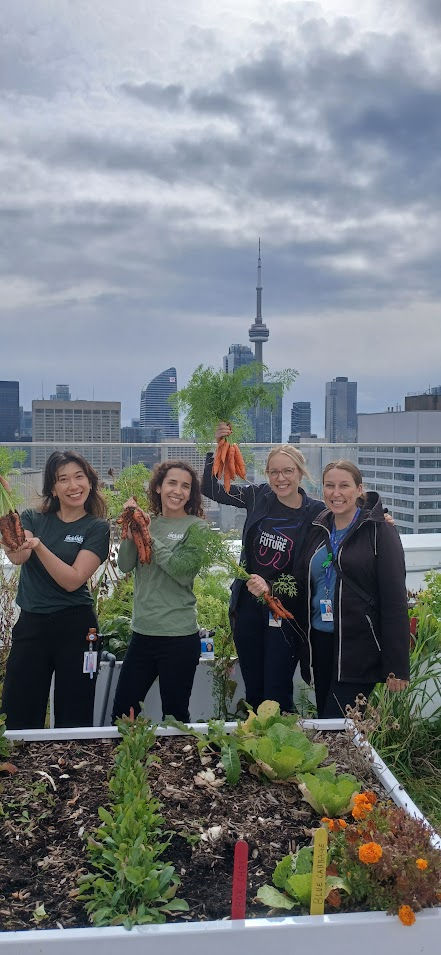
Rooftop Gardens
Transforming rooftops into living landscapes that grow food, support biodiversity, and add lasting value to the places where people work.

community Farms
Creating productive urban farms that grow food, build skills, and strengthen local food systems.
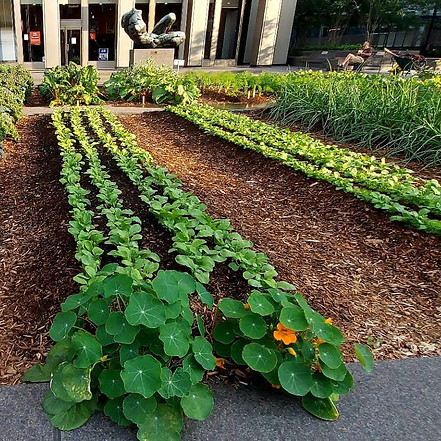
Corporate streetscapes
Turning overlooked corporate spaces into vibrant landscapes that grow food, support pollinators and bring people together. Our ESG gardens deliver lasting value to the workplace.
Why Choose an Impact Garden
Environmental and social commitments matter most when they become action. Impact Gardens make that action visible—growing food, supporting biodiversity, strengthening local food systems and giving people a direct way to participate.
Depending on the project, food can be grown for staff, patients, cafés or community partners. Gardens create opportunities to participate and learn, build habitat, or turn an overlooked piece of a property into something productive and useful.
What gets measured matters. We help clients track results and tell the story of their garden—whether that means food grown, people engaged, habitat created or community partnerships supported. These outcomes can contribute to environmental and social reporting and, where applicable, building certification programs such as LEED and BOMA.
Every Impact Garden is designed around the organization’s priorities—whether that means growing food, supporting biodiversity, engaging employees and tenants, building community partnerships or meeting measurable environmental and social goals.
GOOD GARDENS KEEP GIVING BACK.
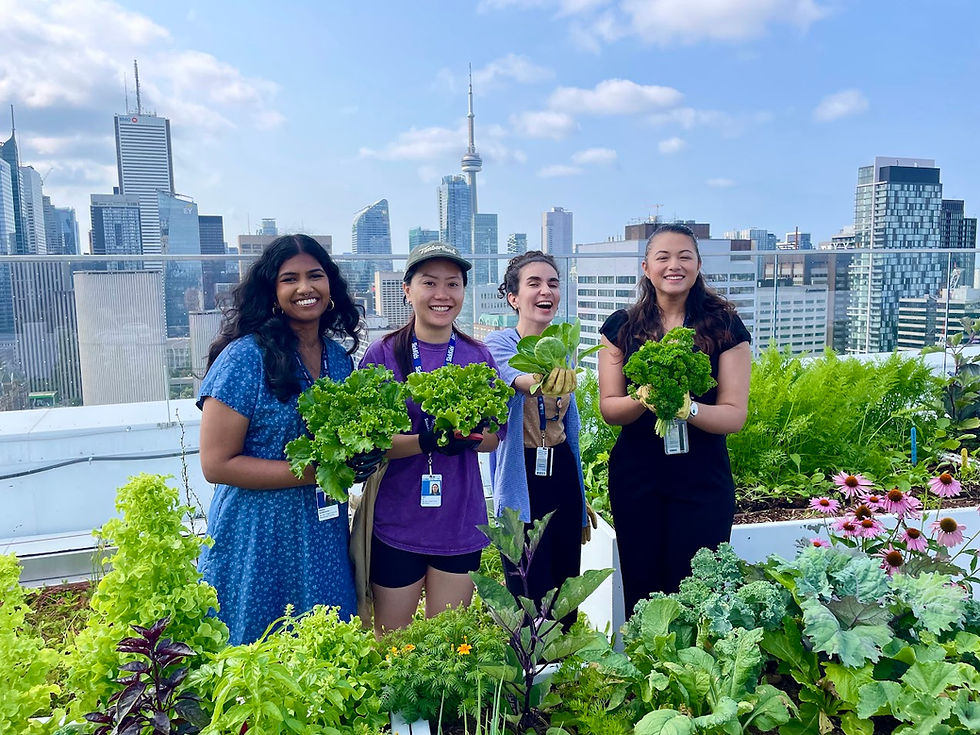
Why Impact Gardens Matter.
strengthen communities
Shared harvests, workshops, volunteer days and stewardship.
Support Wellbeing
Nature-rich spaces people genuinely want to use and enjoy.
Advance
environmental Goals
Healthy soils, biodiversity, pollinator habitat and climate resilience.
adds lasting
value
Productive landscapes that improve both the property and the experience of it.
What is an
Impact Garden?
A living landscape designed to give back.
Impact Gardens transform underused spaces into productive landscapes that grow food, support biodiversity, and create places people value, use, and care for.
From rooftops and hospital campuses to office terraces, streetscapes, and urban farms, each garden is designed around the site, the people who use it, and what the organization wants to accomplish.
More than an amenity, an Impact Garden makes environmental and social commitments visible, tangible and part of everyday life.

